API-First Modernization: Making Legacy Insurance Cores AI-Ready
How insurers can use API-first modernization to unlock AI while keeping legacy cores stable and compliant.

Posts by
Captain Chris Thor Illum is COO and Co-Founder of MapleSage FZCO, bringing over 20 years of maritime operations experience to building the Sage Agentic Landscape. Connect with him on LinkedIn to continue the conversation about operational excellence in insurance AI transformation.
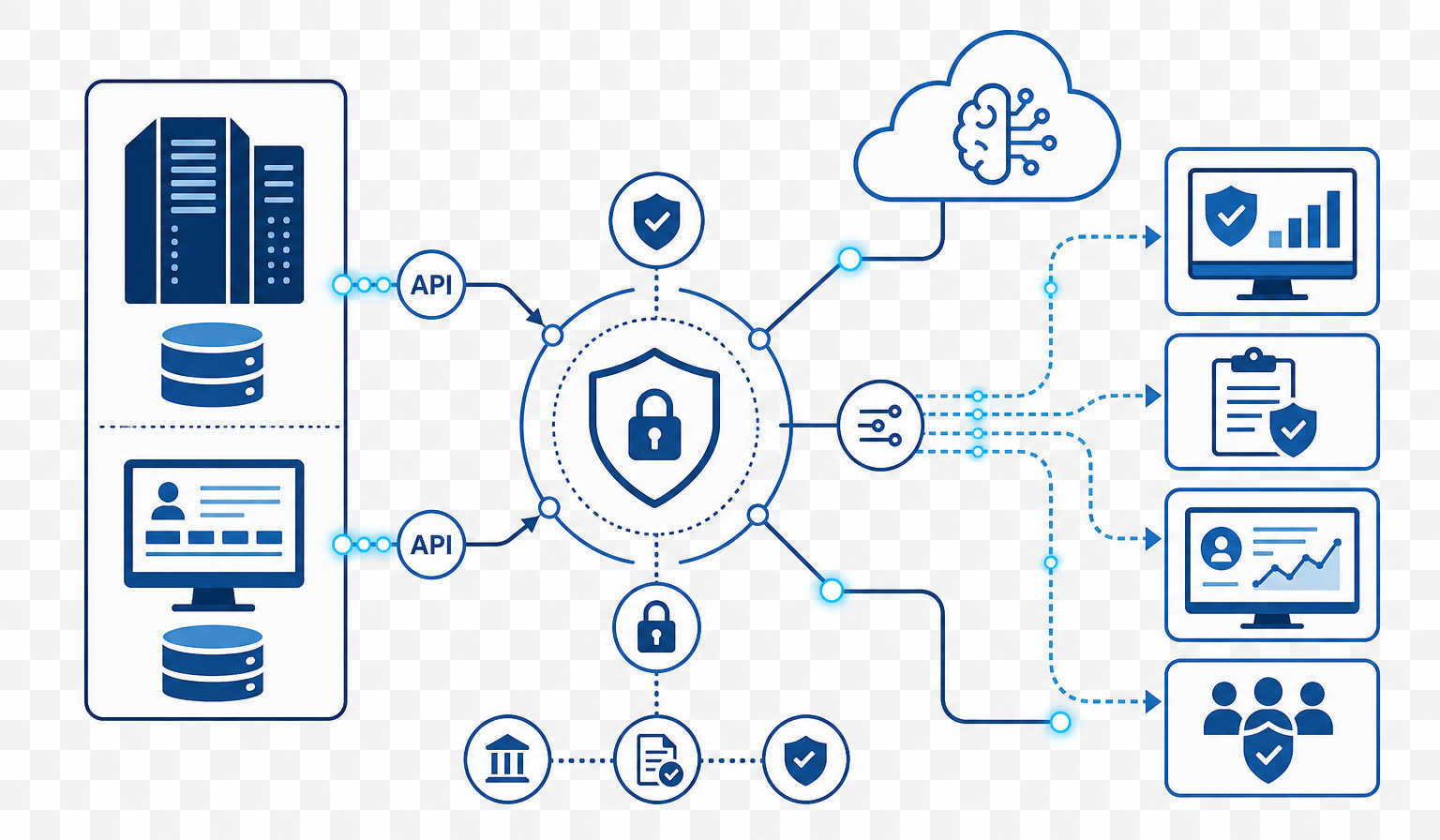
How insurers can use API-first modernization to unlock AI while keeping legacy cores stable and compliant.

Continuous intelligence is the practice of using always-on data, AI, and digital infrastructure to detect external events, quantify business impact, and recommend responses in real time. For geopolitical risk, it turns headlines and shipping disruptions into structured, decision-ready intelligence for supply chain, finance, and risk leaders.
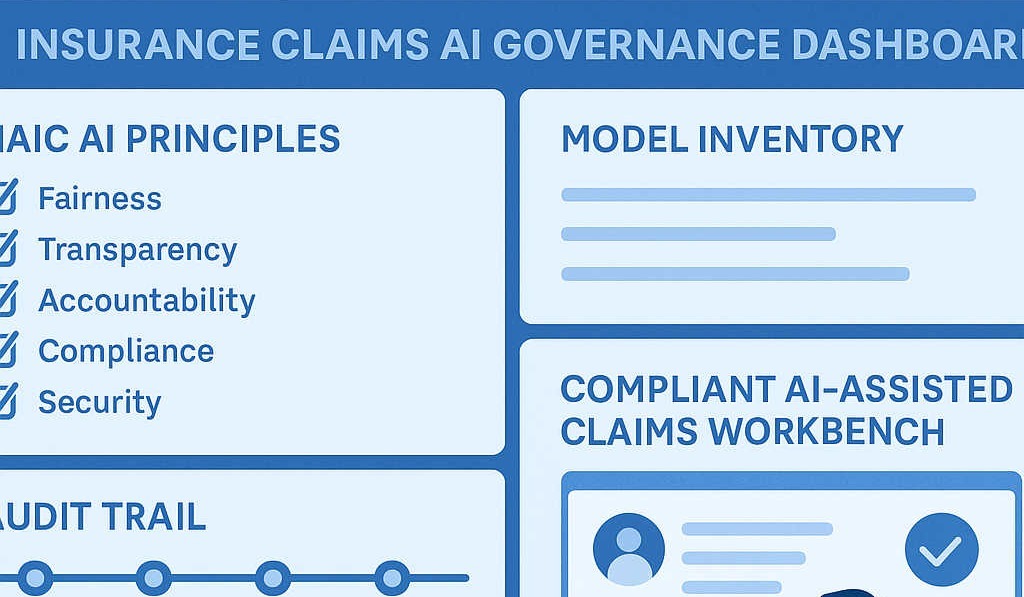
How U.S. carriers can design AI-assisted claims automation that aligns with NAIC AI guidance and passes audits.

Discover how explainable AI transforms insurance decision-making by making complex algorithms transparent, auditable, and compliant—helping your organization build trust while meeting regulatory requirements.

Enterprise AI intelligence management is the discipline of turning raw model intelligence into actions a business can safely trust, explain, and audit. It assumes models will keep changing, so the durable value comes from the operating layer that orchestrates, governs, and validates them—not from owning any single frontier model.

How insurers can deploy AI fraud detection that cuts leakage while staying fully explainable and regulator-ready.

How insurers can turn broker claims portals into shared CX hubs that boost loyalty, speed, and transparency.

Design an AI copilot that speeds desk adjusting with proof and control.
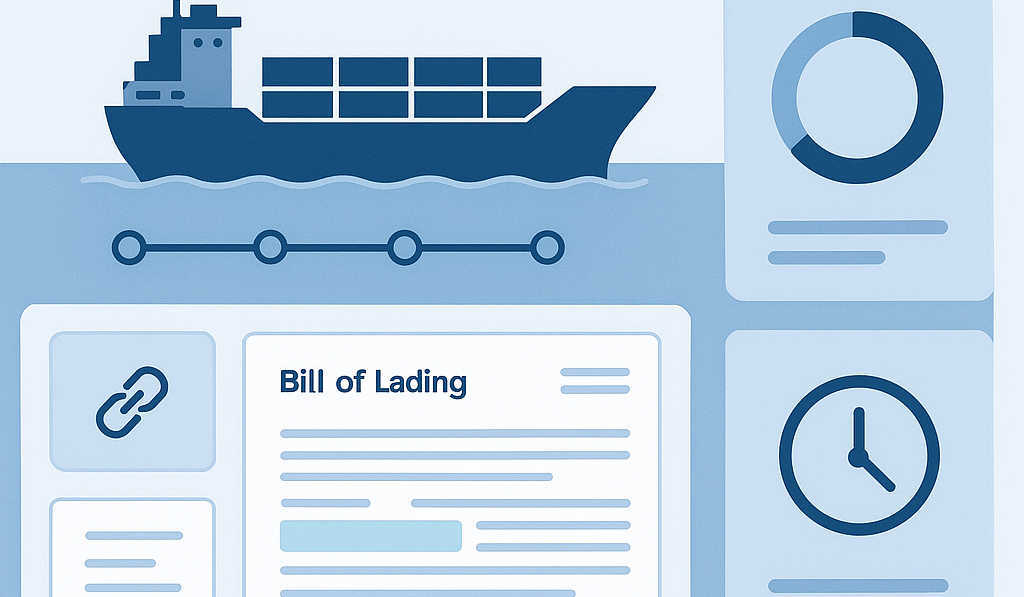
How to modernize marine subrogation to lift recoveries and cut cycle time.
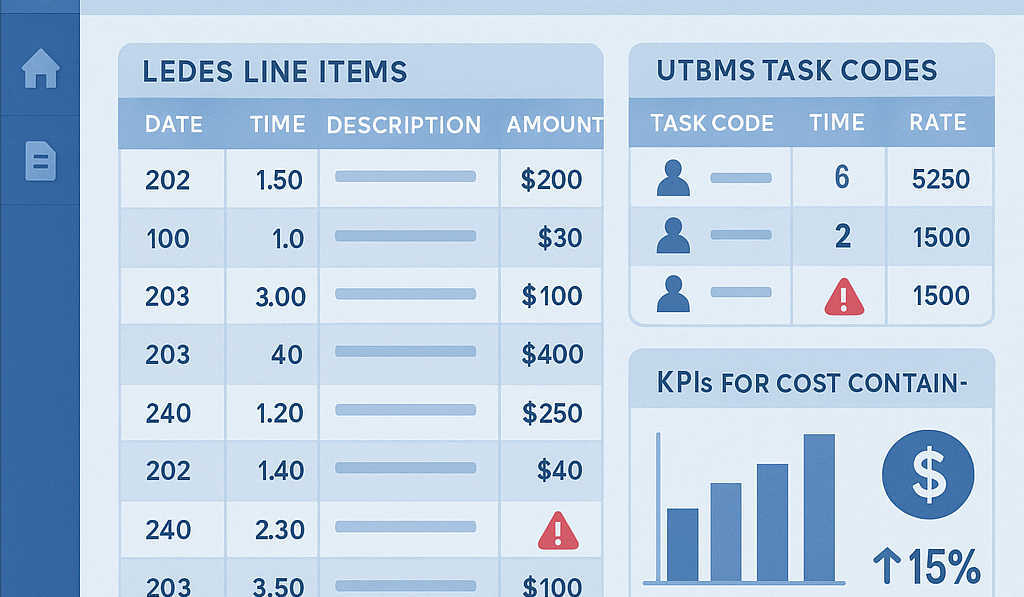
Cut cyber defense costs with LEDES-aware invoice review and governance.