AI Explainability for Insurers: Audit-Ready by Design
A pragmatic guide to make AI decisions in insurance explainable and auditable.

Posts by
A seasoned technology sales leader with over 18 years of experience in achieving results in a highly competitive environment in multiple service lines of business, across the Americas, EMEA & APAC. Has a strong understanding of international markets having lived and worked in Asia, the Middle East and the US, traveled extensively globally.
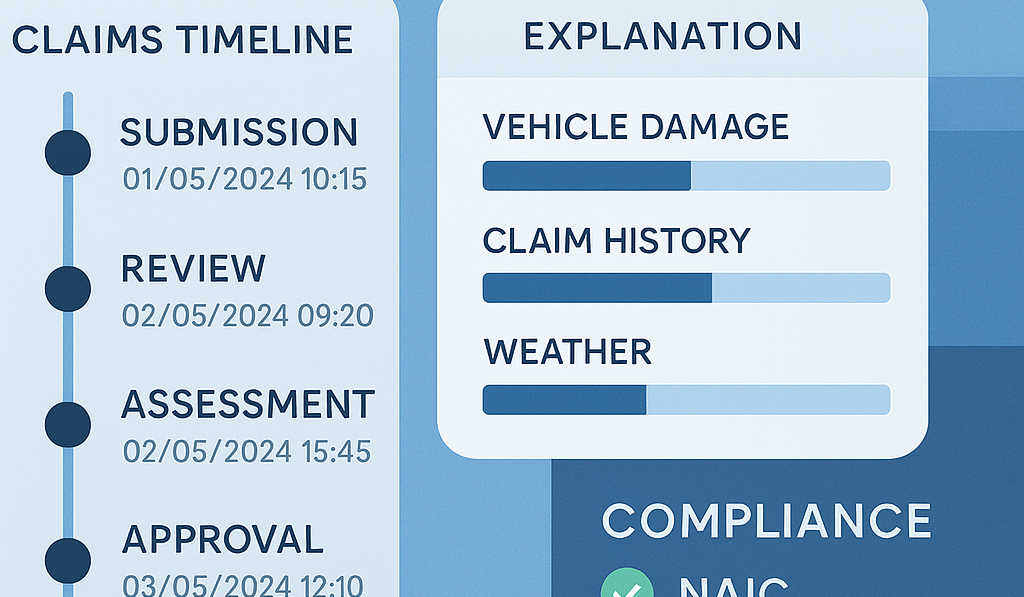
A pragmatic guide to make AI decisions in insurance explainable and auditable.

Legacy insurance systems are not just old technology; they are rich, empirical datasets that can train and guide modern AI-first modernization efforts when used under strong governance and with the right tooling. They capture decades of real decisions about pricing, underwriting, claims, and compliance that are rarely documented anywhere else.
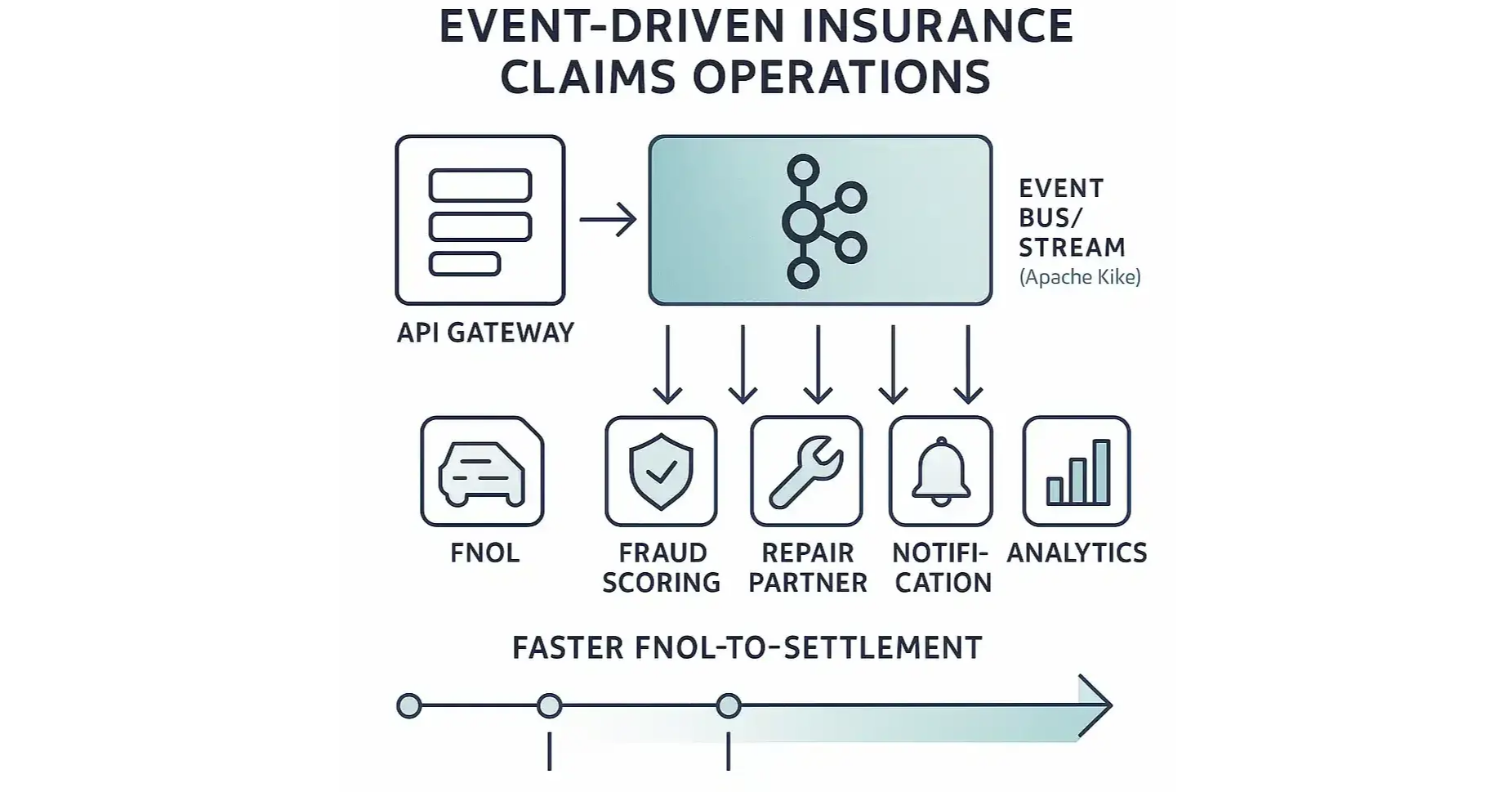
How event-driven design accelerates claims from FNOL to settlement.

A pragmatic blueprint to run consent-first, real-time personalization that pays.

How insurers can design digital FNOL journeys that cut friction, boost satisfaction, and feed trusted claims automation.
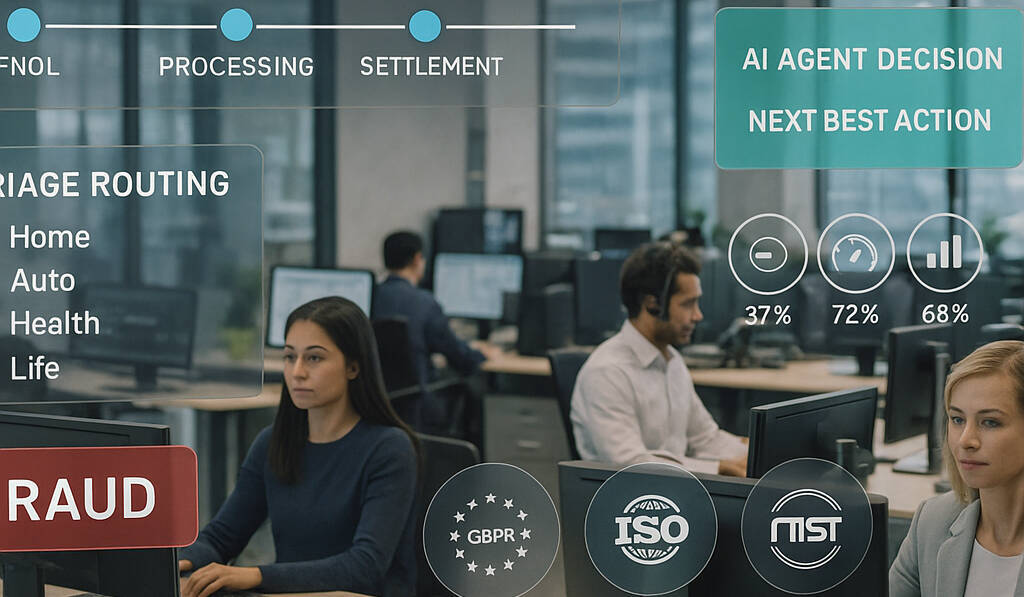
A pragmatic playbook to deploy AI agents from triage to settlement—safely.
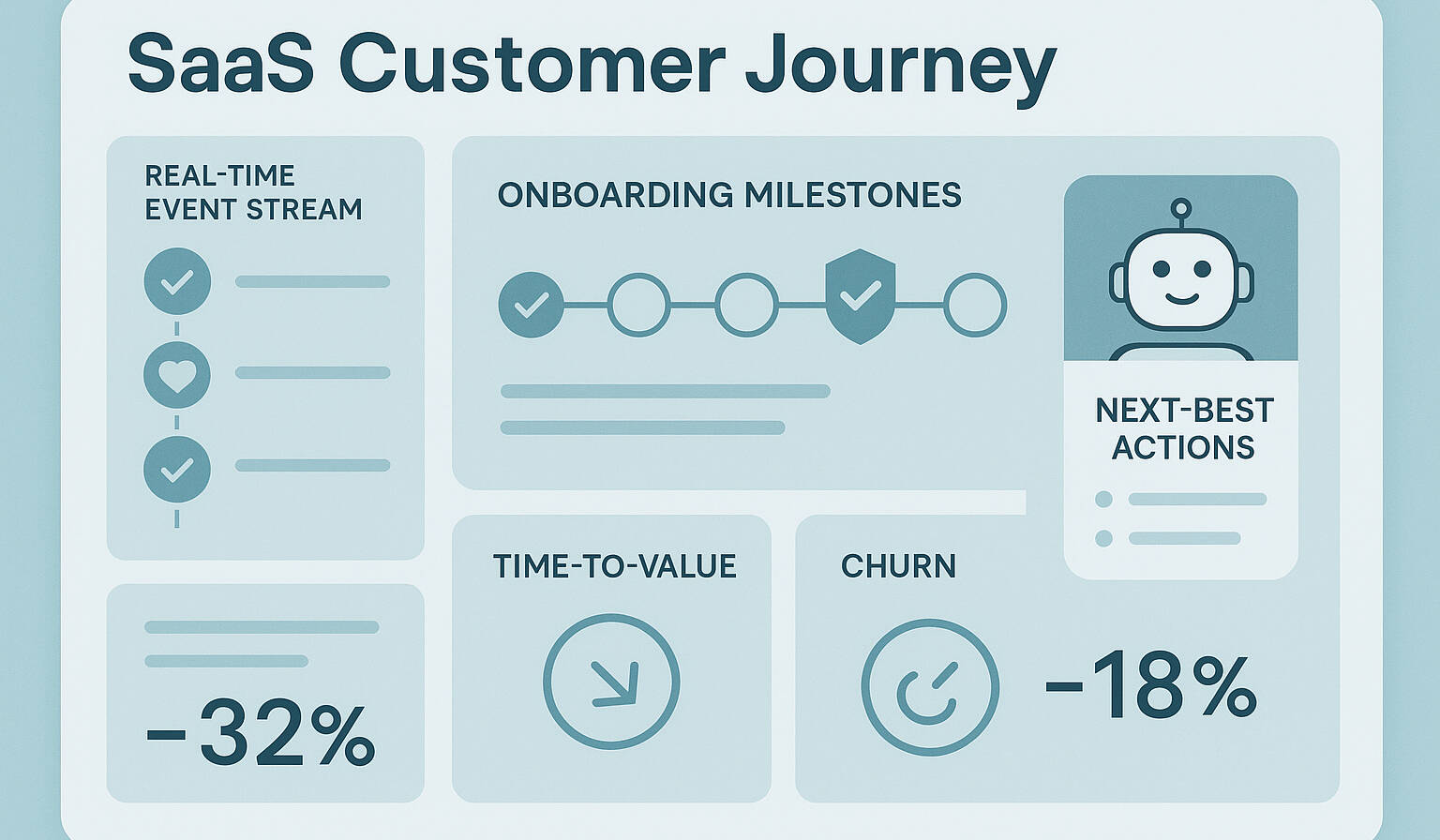
A practical playbook for real-time onboarding that reduces churn.
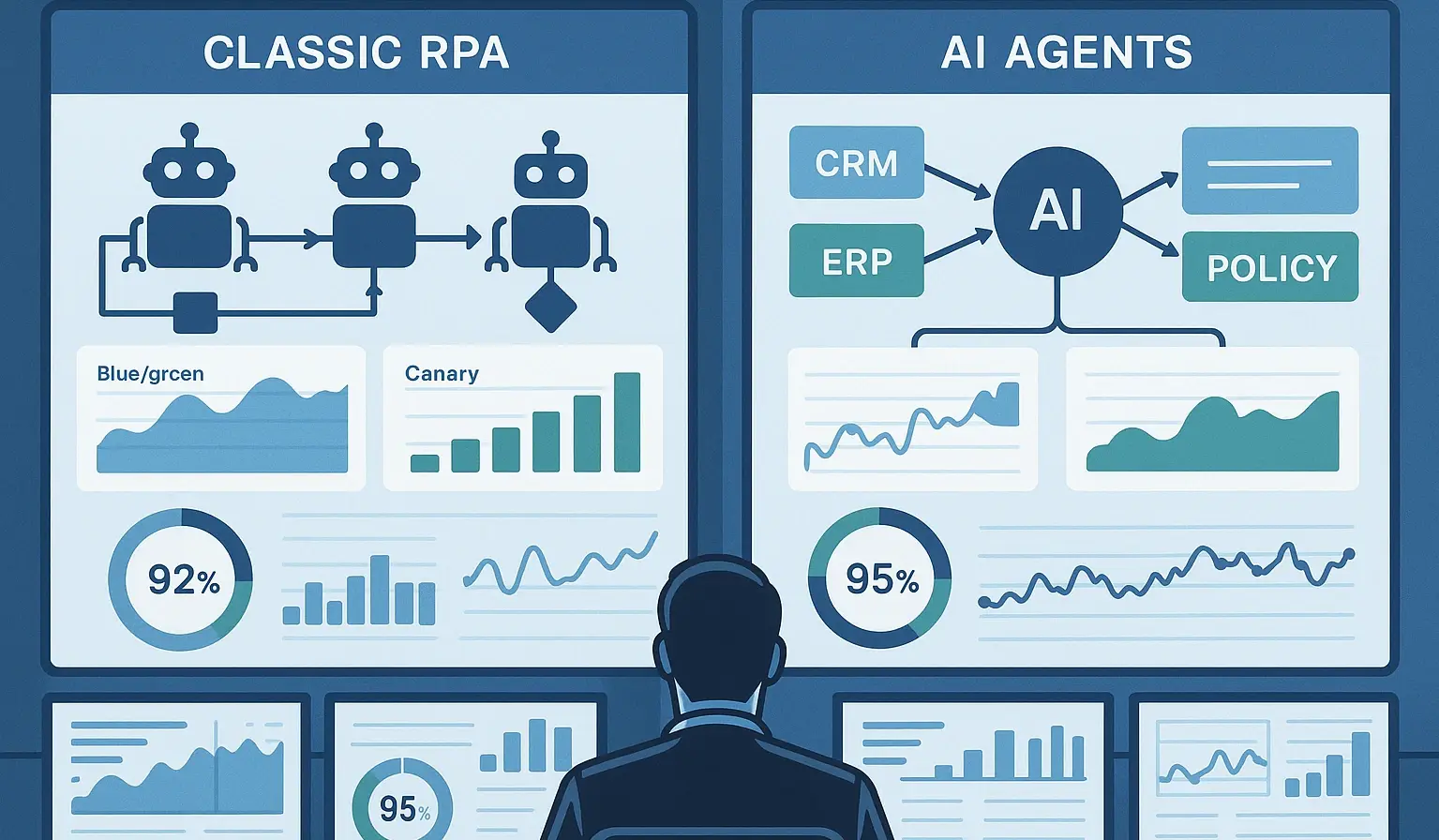
A pragmatic guide to evolve from RPA to AI agents—safely, measurably, and without downtime.
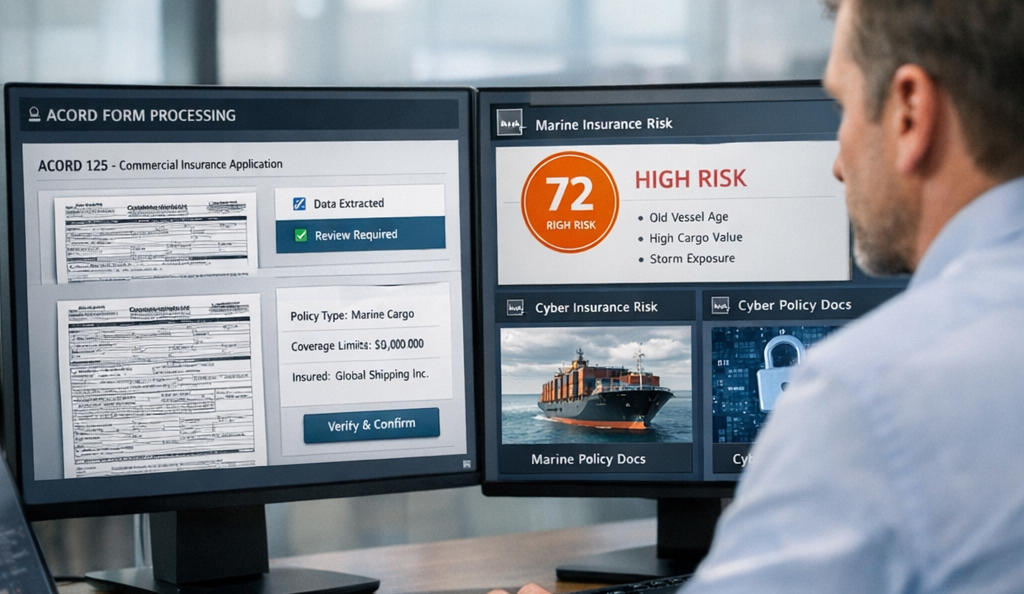
Why underwriting leaders need AI-enabled workbenches that automate ACORD forms and document-heavy workflows without sacrificing judgment or compliance.
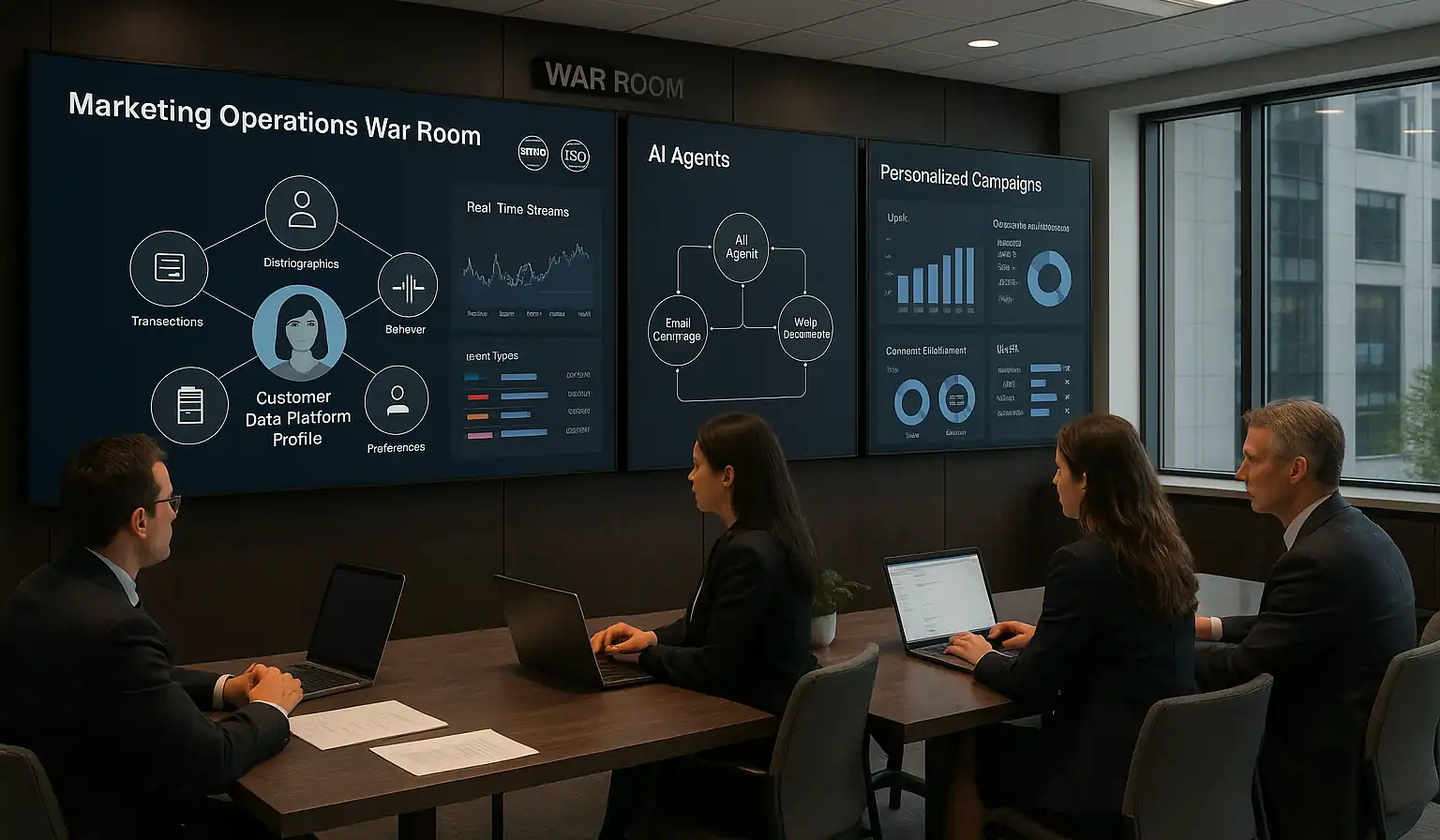
How to fuse CDPs and AI agents for real-time, privacy-first personalization.