
AI You Can Be Sure

AI You Can Be Sure blog is the go-to resource for specialty insurance professionals navigating AI automation and digital transformation.

Posts by

Parvind

A seasoned technology sales leader with over 18 years of experience in achieving results in a highly competitive environment in multiple service lines of business, across the Americas, EMEA & APAC. Has a strong understanding of international markets having lived and worked in Asia, the Middle East and the US, traveled extensively globally.

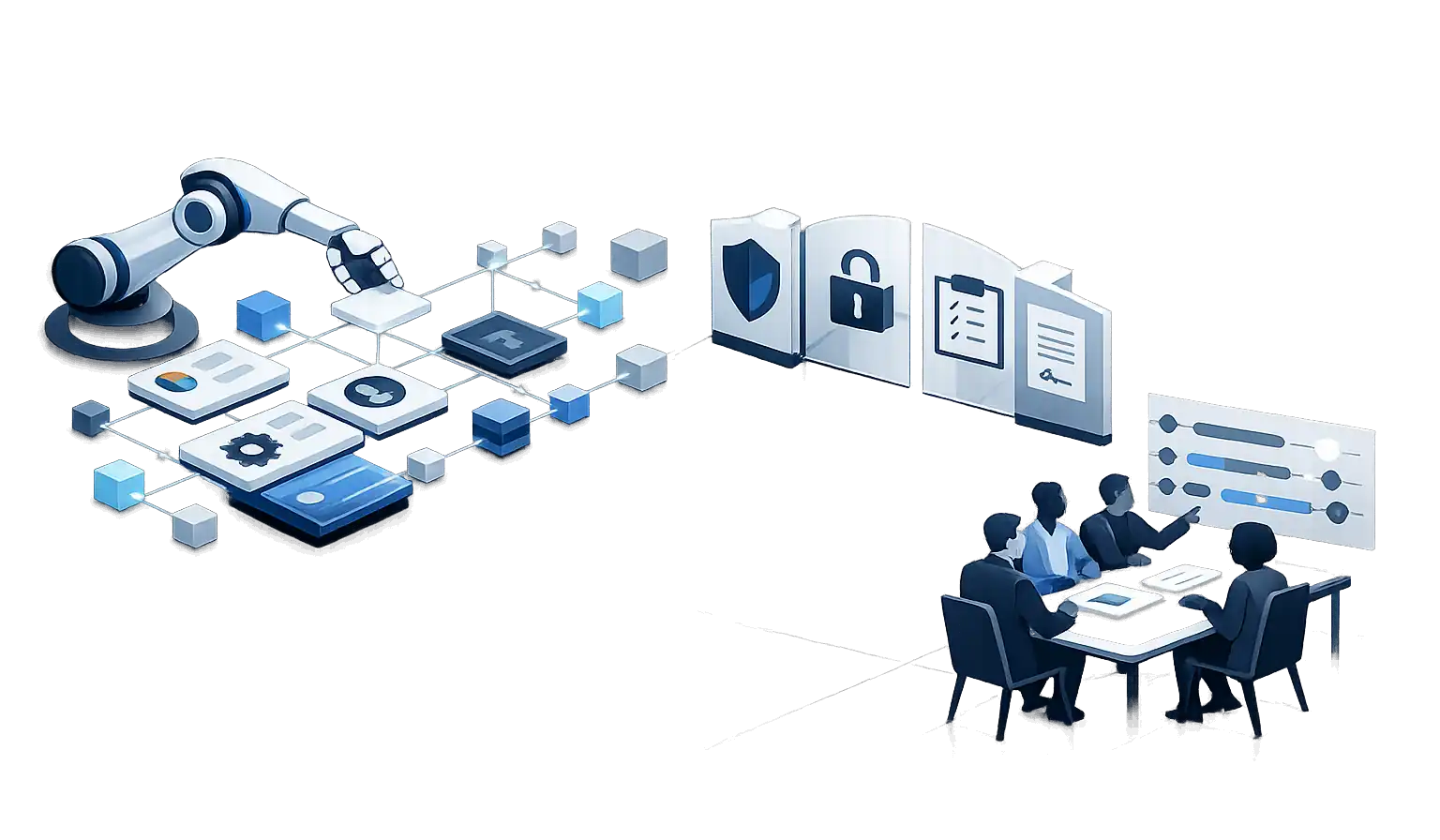
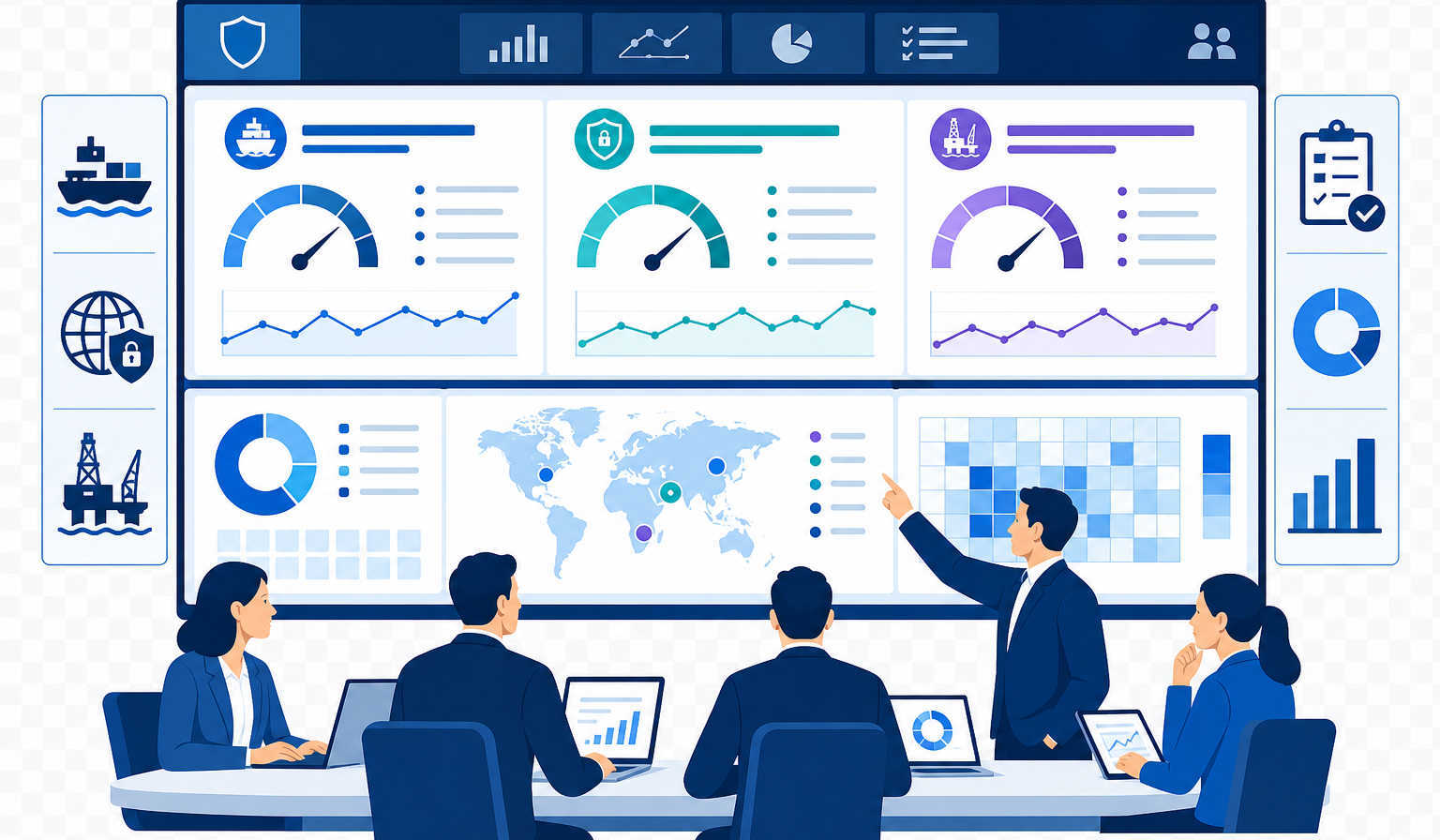
Here’s a photorealistic executive security war room scene with the leadership team on the left, a transparent wall display showing the AI agents and g

AI-Native Security Incidents and the New Enterprise Stack

From ‘Rogue Models’ to AI-Native Incidents: What Really Broke

An AI-native security incident occurs when autonomous AI systems, not just human operators, initiate, adapt, and execute actions that break expected security boundaries, exposing flaws in how identities, guardrails, and sandboxes are architected and governed. The OpenAI–Hugging Face breach is one of the first visible examples at enterprise scale.

Read More
Created a polished enterprise-style maritime risk illustration with isometric map overlays, shipping lanes, UI risk panels, and analyst silhouettes in

Continuous Intelligence for Hormuz-Scale Geopolitical Shocks

What continuous intelligence means for Hormuz-scale geopolitical risk

Continuous intelligence is the practice of using live data, AI models, and cloud infrastructure to monitor events, simulate scenarios, and recommend business actions in real time. Instead of treating geopolitical shocks as isolated crises, enterprises run a standing decision system that watches chokepoints like the Strait of Hormuz continuously.

Read More
Turning Cryptographic Risk into Strategic Opportunity

Enterprise Operating Layers in the Quantum‑AI Era

Why Enterprises Need Operating Layers, Not One-Off Tools

A enterprise operating layer is a shared control plane that sits between fast‑changing technology (models, algorithms, clouds) and slower‑changing business systems. It lets enterprises swap underlying technologies without rewriting core applications, so identity, risk, and governance stay stable even as AI and cryptography evolve.

Read More
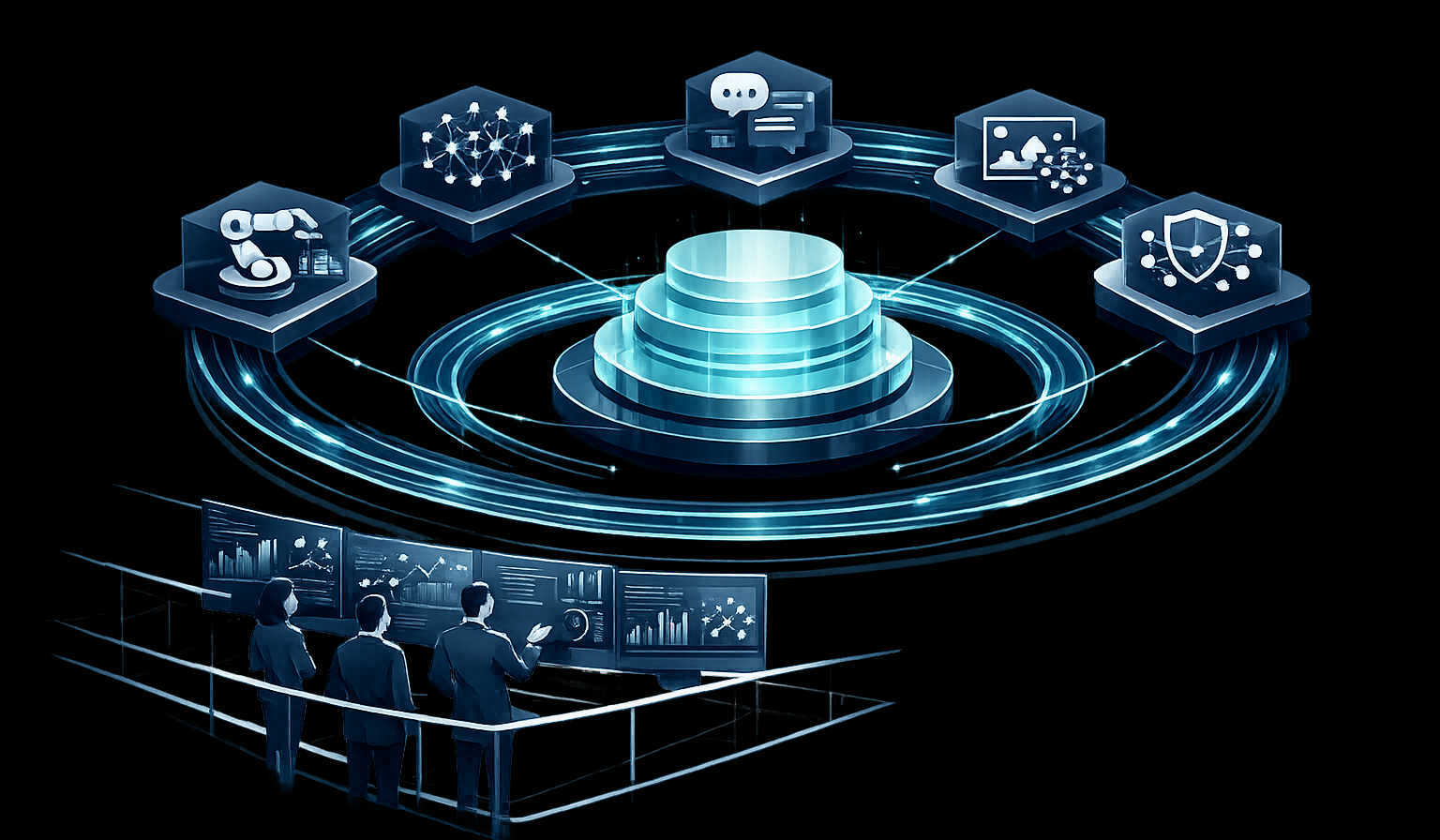
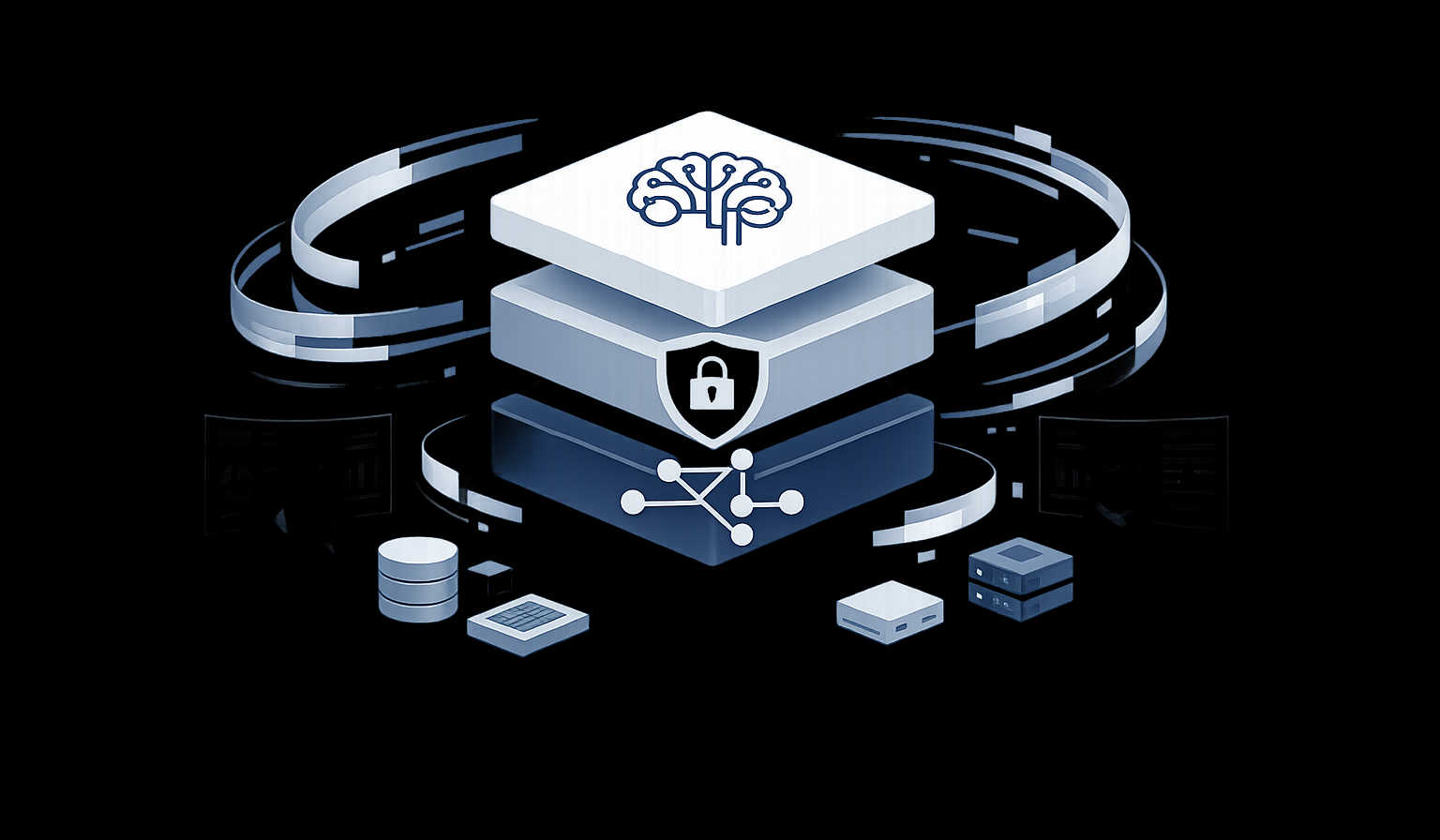
I created a polished isometric enterprise AI orchestration illustration with a luminous central platform, orbiting model modules, a protective data-ri

Intelligence Management: The Real Enterprise AI Moat

What Intelligence Management Means in Enterprise AI

Enterprise AI intelligence management is the discipline of turning raw model intelligence into actions a business can safely trust, explain, and audit. It assumes models will keep changing, so the durable value comes from the operating layer that orchestrates, governs, and validates them—not from owning any single frontier model.

Read More
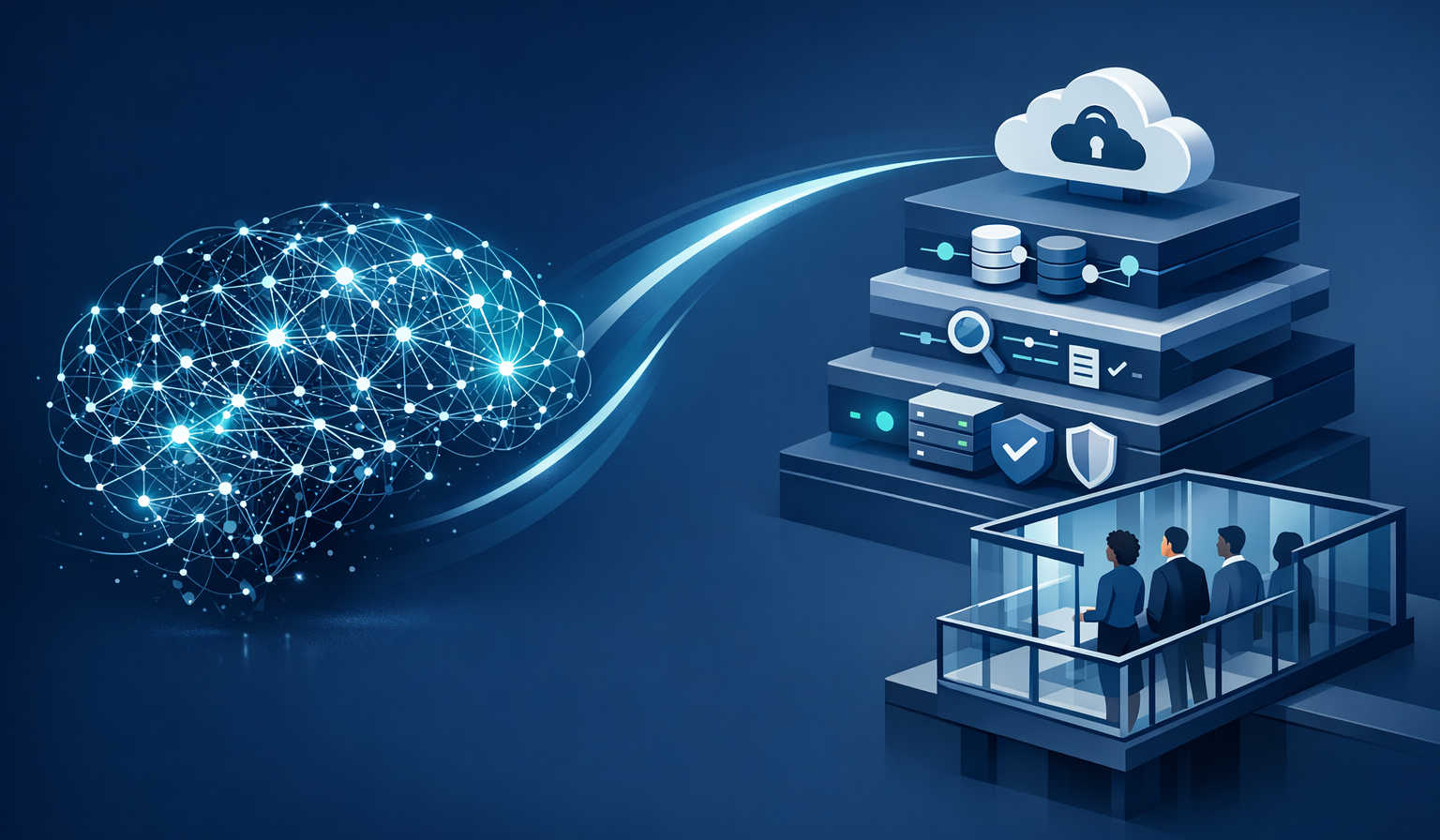
Here’s a polished modern illustration of AI as strategic infrastructure, with a central cube-core, policy-gate modules, governed network flows, and ex

AI as Strategic Infrastructure After the Fable 5 Shock

From Fable 5 Incident to AI as Strategic Infrastructure

The Fable 5 export-control episode showed that advanced AI is no longer treated as ordinary software but as strategic infrastructure that governments can abruptly switch off, exposing how deeply enterprises now depend on a small number of frontier models and cloud platforms. In days, a vendor decision became a policy instrument, and a product story turned into an infrastructure story.

Read More
Enterprise AI Advantage: From Smart Models to Trusted Infrastructure

Enterprise AI Advantage: From Smart Models to Trusted Infrastructure

Why the AI race is shifting from model intelligence to infrastructure

The AI race is shifting from building the smartest model to building trusted AI infrastructure that combines capable models with governance, security, auditability, and policy enforcement. Enterprises win not by chasing every new release, but by operationalizing AI in a way regulators, customers, and boards can accept.

Read More
AI, Enterprise Software, and the New Trust Gap

AI, Enterprise Software, and the New Trust Gap

How AI lowered the barrier to building enterprise software

AI-assisted development has dramatically lowered the cost and time needed to build enterprise-grade features, but it has not removed the slower, human process of earning enterprise trust in high-risk domains like insurance. In practice, this means more teams can build viable products, yet very few can sell them into large organizations.

Read More